E-mail Us

Evaluating Medical IT Isolated Power Systems for Safety, Monitoring, and Power Continuity

Sep 22, 2026

Table of Content [Hide]

    In an operating room, an electrical fault does not always mean that the safest response is to switch the power off. If a surgical device or other critical medical equipment is relying on that circuit, an immediate interruption can create a different risk from the fault itself. The challenge is therefore not simply to detect an electrical problem, but to detect it early while keeping the critical supply available under the conditions permitted by the medical electrical system.

    This is the principle behind a medical IT isolated power system. Rather than allowing the first insulation fault to automatically disconnect the entire circuit, the system separates the medical supply from earth and continuously watches its insulation condition. An abnormal change can trigger an alarm, giving technical personnel an opportunity to locate and correct the problem while essential equipment continues to receive power.

    Seen from this perspective, a hospital isolation panel is not merely a cabinet containing an isolation transformer. It is part of a broader safety system that connects isolated power, insulation monitoring, alarm management, and fault location. For an isolation panel for operating rooms, the quality of this interaction can directly affect how effectively the electrical system responds to a fault without unnecessarily disrupting a critical procedure.

    Acrel's medical IT power solutions are designed around this combination of isolation and continuous supervision. Evaluating such a system therefore requires looking beyond the transformer rating or panel configuration and considering how each component contributes to electrical safety, fault detection, troubleshooting, and power continuity.

    How Does Electrical Isolation Improve Safety in Critical Medical Areas?

    The most important feature of a medical IT system is the way it changes the response to an insulation fault. In an ordinary grounded electrical installation, an insulation fault can produce a fault current that activates protective equipment and disconnects the affected circuit. That response is appropriate in many applications because removing the faulted supply helps protect people and equipment.

    Critical medical areas present a different situation. Disconnecting power to equipment during an operation or other high-dependency procedure may itself create an operational risk. The electrical system therefore needs to recognize the difference between detecting a fault and immediately removing the supply.

    A medical IT system uses an isolation transformer to electrically separate the downstream medical circuit from the conventional supply. The isolated circuit is then monitored for changes in insulation resistance to earth. If the first insulation fault occurs, the system can provide an alarm rather than simply treating the event as a reason to shut down the complete circuit, provided the system remains within the conditions defined by the applicable medical electrical requirements.

    This approach gives maintenance personnel time to investigate the cause while the critical equipment remains supplied. The benefit is not that the fault disappears, but that the electrical system can continue operating under a controlled abnormal condition while the fault is being addressed.

    For this reason, an isolation panel for operating rooms should be viewed as part of the room's electrical safety architecture. The isolation transformer, insulation monitoring device, alarm interface, and associated distribution equipment need to work together. Simply installing an isolation transformer without appropriate monitoring would not provide the same level of supervision.

    What Insulation Monitoring Functions Should a Medical IT System Provide?

    Once a circuit has been electrically isolated, its condition still needs to be watched. An isolated circuit is not automatically a healthy circuit, and insulation deterioration can develop gradually through cable damage, connected equipment, moisture, ageing, or other causes.

    This is why insulation monitoring is central to a medical IT system. An insulation monitoring device continuously observes the insulation condition between the isolated circuit and earth. When the insulation condition reaches the relevant alarm level, the system can notify personnel before the situation develops into a more serious electrical problem.

    The value of continuous monitoring becomes clearer when compared with periodic inspection. A technician may inspect equipment at scheduled intervals, but insulation deterioration can occur between inspections. Continuous monitoring provides a permanent layer of supervision while the medical circuit is in operation.

    A well-designed hospital isolation panel should therefore provide more than basic power distribution. It should give personnel a clear indication of the condition of the isolated circuit and, depending on the system configuration, provide information about other important operating conditions.

    For example, medical IT systems may incorporate monitoring related to insulation resistance, load current, transformer temperature, and alarm status. The precise functions depend on the selected equipment and project requirements. The important consideration is whether the monitoring information is sufficient to identify a developing problem and support an appropriate response.

    Acrel's medical IT solutions combine isolation and monitoring functions so that the electrical condition of the medical circuit can be observed continuously. This integrated approach can be particularly useful in critical areas where the cost of discovering a fault only after a power interruption can be much higher than the cost of monitoring the circuit continuously.

    How Can Insulation Fault Location Support Faster Troubleshooting?

    Detecting an insulation fault answers only one question: something is wrong. The next question is usually much harder: where is the problem?

    A medical distribution system may supply several outlets and different types of equipment. An insulation fault could originate from a connected device, a cable, a socket, or another part of the downstream circuit. Without additional information, maintenance personnel may need to inspect individual loads one by one.

    Insulation fault location technology can make this process more targeted. Depending on the system design, the fault location function can identify the affected circuit or provide information that helps maintenance personnel narrow down the source of the insulation deterioration.

    This can make a significant difference in a busy medical environment. A fault alarm that remains unresolved for an extended period leaves the system operating under an abnormal condition. Faster identification allows technical personnel to isolate the problematic equipment or circuit and restore the system to its normal operating state more efficiently.

    For an isolation panel for operating rooms, this function is particularly relevant because the panel may serve multiple medical loads that cannot simply be disconnected for extended troubleshooting. Knowing which circuit requires attention allows maintenance work to be more controlled and reduces unnecessary intervention on equipment that is operating normally.

    Fault location should therefore be considered alongside insulation monitoring. Monitoring tells the team that the insulation condition has deteriorated; fault location can help answer where the deterioration is occurring. Together, these functions create a much more useful maintenance workflow.

    Why Is Continuous Power Availability Important in Operating Rooms and ICUs?

    Power continuity has a different meaning in a medical environment from what it might mean in an ordinary commercial building. In an office, the temporary loss of power may interrupt computers or lighting. In an operating room or ICU, the consequences can involve equipment that is directly supporting patient care.

    This is why the first insulation fault in a medical IT circuit is treated differently from a conventional electrical fault. The objective is to identify the abnormal condition without unnecessarily removing power from the entire isolated circuit.

    An isolation panel for operating rooms provides the interface between the isolated power supply and the critical downstream circuits. The isolation transformer establishes the separated supply, while the insulation monitoring system watches its condition. If an initial insulation fault is detected, the alarm gives personnel an opportunity to investigate without automatically making the fault itself the cause of an immediate power interruption.

    It is important, however, not to confuse medical IT isolation with emergency backup power. An isolation system does not replace a generator or UPS. These technologies address different risks.

    A generator or UPS provides an alternative source when the normal power supply is unavailable. A medical IT system addresses insulation faults within the critical medical circuit and provides continuous supervision of its electrical condition. In a properly designed hospital electrical infrastructure, these functions can complement each other rather than compete with each other.

    This distinction is useful when planning a hospital isolation panel. The panel should be considered as one layer within a larger power continuity and electrical safety strategy, with its configuration coordinated with emergency power, distribution protection, and the requirements of the medical area.

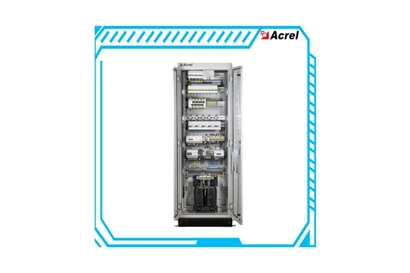
    hospital isolation panel

    How Do Medical IT System Alarms Improve Fault Detection and Response?

    A monitoring system is only useful if its information reaches the people who need to act on it. In a medical IT system, alarms provide the connection between electrical monitoring and operational response.

    When the insulation condition reaches the configured alarm level, the system can provide visual and audible notification. This makes the abnormal condition visible to personnel without requiring someone to continuously inspect a meter or display.

    The distinction between an alarm and a circuit trip is particularly important here. The purpose of the medical IT alarm is to draw attention to the abnormal condition while the isolated circuit can remain in service under the applicable first-fault conditions. This creates a window for technical personnel to investigate the issue rather than making the alarm itself the cause of an immediate loss of supply.

    The information presented by the alarm system should also be understandable. Medical staff need to know that attention is required, while electrical maintenance personnel may need additional technical information to determine what action to take.

    A modern hospital isolation panel can therefore benefit from a combination of local indication and communication capabilities. Local alarms provide immediate awareness near the medical area, while communication functions can make relevant system information available through a centralized monitoring platform where the project requires it.

    Acrel's medical IT power solutions incorporate insulation monitoring and alarm functions as part of the overall system architecture. The exact arrangement depends on the selected components and the requirements of the medical facility, but the underlying principle remains the same: identify abnormal electrical conditions early and make the information actionable.

    What System Components Determine the Reliability of Medical IT Power Systems?

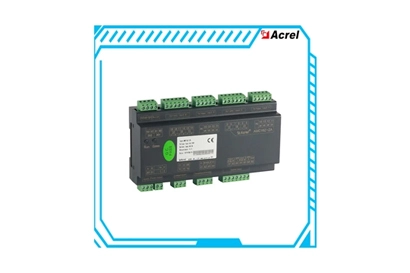
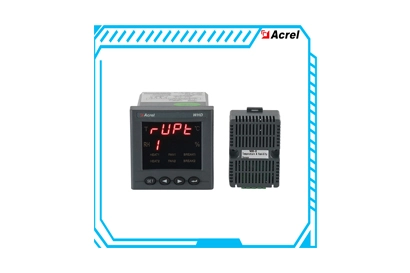
    The reliability of a medical IT power system does not come from the isolation transformer alone. The transformer, monitoring equipment, alarm interface, fault location system, and communication components all contribute to how effectively the system performs its intended role.

    System ComponentPrimary RoleContribution to Reliability
    Medical isolation transformerProvides electrical separation for the critical medical circuitEstablishes the isolated power source required by the medical IT system
    Insulation monitoring deviceContinuously supervises insulation conditionProvides early warning when insulation performance deteriorates
    Alarm and display unitIndicates abnormal conditionsHelps personnel recognize and respond to electrical faults promptly
    Insulation fault location systemAssists in identifying the affected circuit or loadCan make troubleshooting more targeted and reduce unnecessary inspection
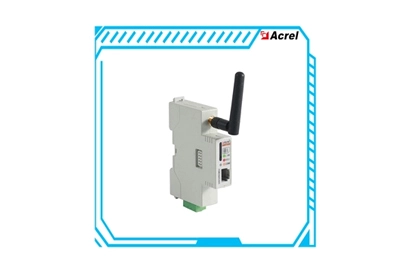
    Communication interfaceTransfers system information to external monitoring equipmentSupports centralized supervision and integration with facility monitoring systems

    The isolation transformer is naturally one of the most important components because it establishes the electrical separation on which the medical IT system is based. Its selection should take into account the intended medical application, connected load, installation conditions, and applicable requirements.

    The monitoring equipment is equally important from a safety perspective. Without continuous insulation monitoring, the system would have much less visibility into the condition of the isolated circuit. Similarly, without a clear alarm mechanism, a detected fault may not reach the people responsible for responding to it.

    Fault location adds another layer of practicality. In a small installation, locating a problem may be relatively straightforward. In a larger operating room or medical facility with multiple circuits and connected devices, dedicated fault location capabilities can make maintenance considerably more efficient.

    This is why a hospital isolation panel should be evaluated as a complete system rather than as a standalone cabinet. The compatibility between the transformer, monitoring device, alarm unit, fault location equipment, and communication architecture can influence commissioning, maintenance, and long-term performance.

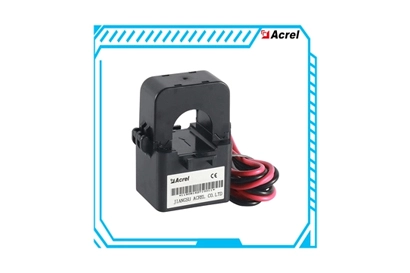
    Acrel's medical electrical power and monitoring product range includes components intended for medical IT applications, allowing the system configuration to be developed around the requirements of the specific medical area. The appropriate combination depends on the distribution structure, connected equipment, monitoring requirements, and applicable medical electrical standards.

    Conclusion

    The defining feature of a medical IT isolated power system is not simply that it isolates a circuit. Its real value lies in what happens after isolation: the electrical condition of the circuit is continuously monitored, insulation faults can generate an alarm without unnecessarily interrupting the critical supply, and additional fault location functions can help maintenance personnel determine where corrective action is required.

    For operating rooms, ICUs, and other critical medical areas, this combination of isolation, monitoring, and power continuity provides a different approach to electrical safety. A properly configured hospital isolation panel can form a central point for managing these functions, while an isolation panel for operating rooms can help maintain a controlled and continuously supervised power environment around critical medical equipment.

    The right configuration ultimately depends on the medical area, electrical distribution architecture, connected loads, monitoring requirements, and applicable standards. For a new installation or system upgrade, these factors should be established before selecting the transformer, monitoring device, alarm equipment, and fault location functions. Acrel's technical team can provide further project-specific guidance through its medical IT power system consultation service.

    FAQ

    1. What is a medical IT isolated power system?

    A medical IT isolated power system supplies selected critical medical circuits through an isolation transformer while continuously monitoring their insulation condition. It is designed to reduce the consequences of an initial insulation fault while maintaining power under the applicable operating conditions.

    2. Why is an isolation panel used in an operating room?

    An isolation panel for operating rooms provides an isolated and monitored power supply for selected critical loads. It can help maintain power availability while providing an alarm when an insulation fault or other monitored abnormal condition is detected.

    3. What does a hospital isolation panel monitor?

    Depending on its configuration, a hospital isolation panel can monitor insulation condition and may also provide information related to load current, transformer temperature, alarm status, and other system conditions.

    4. Does a medical IT system prevent all electrical faults?

    No. The system is designed to detect insulation deterioration and reduce the consequences of an initial insulation fault. The underlying fault still needs to be located and corrected by qualified personnel.

    5. Why is insulation fault location important?

    Fault location helps maintenance personnel identify the affected circuit or load more efficiently. This can shorten troubleshooting time and reduce unnecessary inspection of equipment that is operating normally.

    6. Does a medical IT system replace a UPS or emergency generator?

    No. A medical IT system provides electrical isolation and insulation monitoring, while UPS systems and emergency generators provide alternative or backup power sources. They perform different functions and can be used together as part of a hospital power strategy.


    Aaron Shi
    Aaron Shi

    Electrical Engineer Expert, Providing Service, consultant, product expert, professional manufacturer of energy efficiency management systemic solutions, and energy meters.

    References