E-mail Us

Power Monitoring System in Ndola Stadium, Zambia

Abstract: The stadium's low-voltage electrical system comprises eleven subsystems. Among these, the power monitoring system, serving as an integral component of the stadium's low-voltage electrical system, typically operates independently. It is integrated with the fire protection system and the intelligent lighting system to guarantee the stability and security of the stadium throughout events.

Keywords: System integration;Intelligent power meter;Power monitoring system;Electrical safety


01 Project Overview

Aid Zambia’s Ndola Stadium is a national stadium that can accommodate 40,000 people. The stadium is located next to the A3 highway in the suburbs of Ndola. It covers a total area of 203,300 square meters, with a total construction area of 452,080 square meters, 4 floors above the ground, and a building height of 55.80 meters. It has a total of 27 low-voltage power distribution cabinets and 116 power distribution circuits.


02 Main Uses of Residual Current Relay

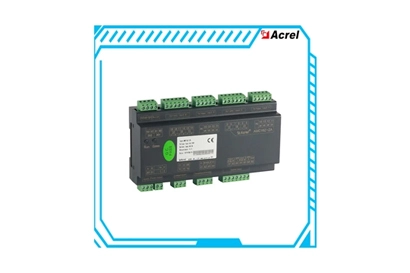
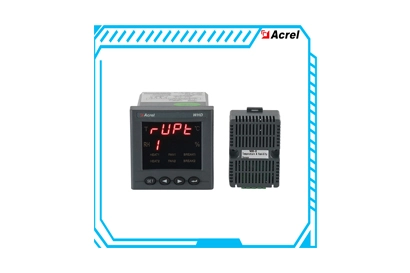
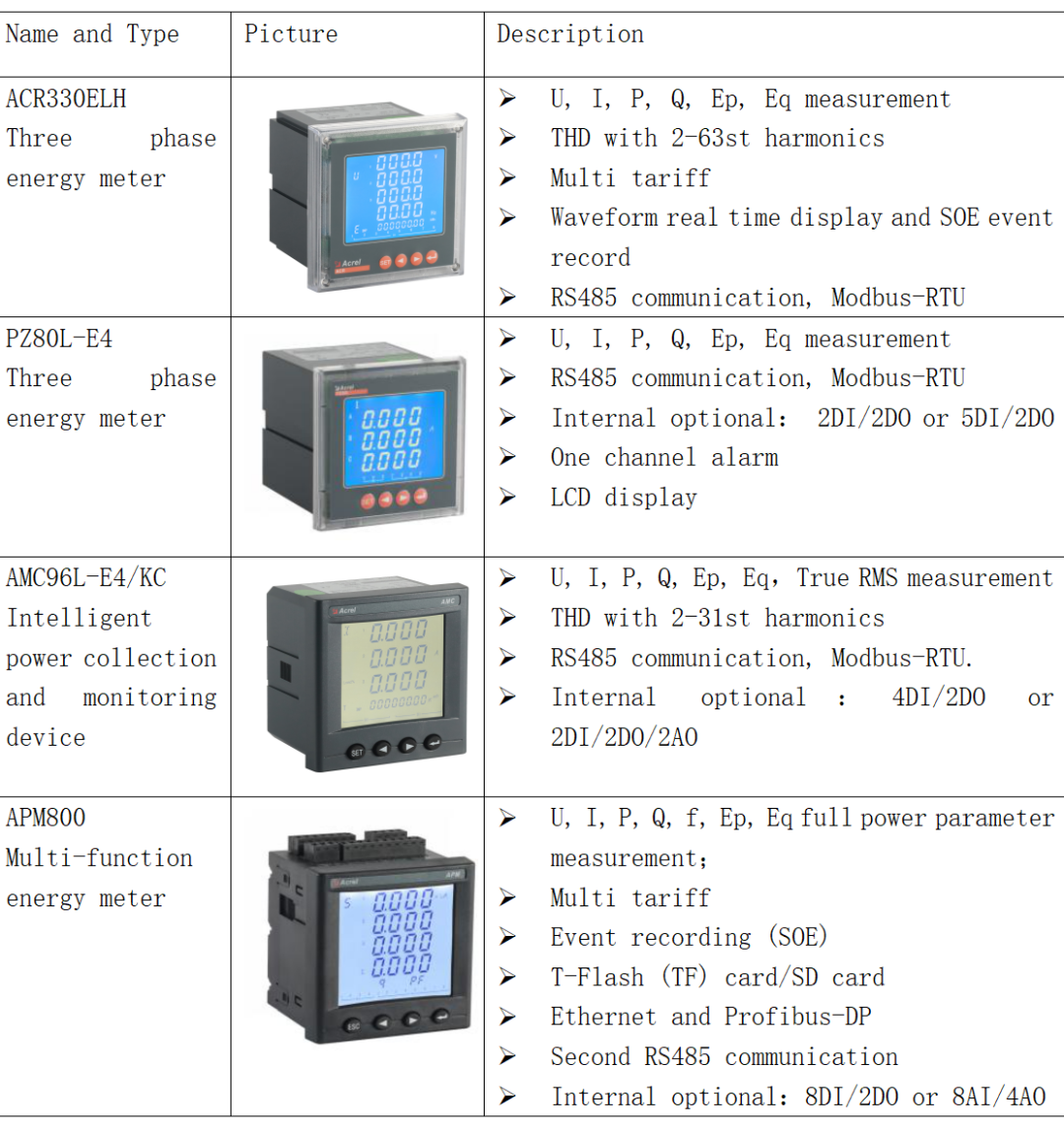
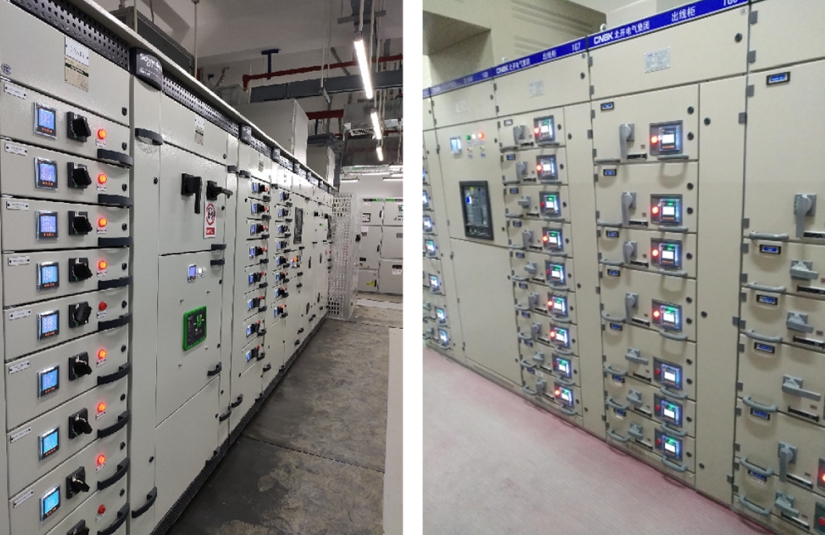
The Acrel-2000 power monitoring system was implemented to provide comprehensive support for the efficient operation of Ndola Stadium in Zambia. This sophisticated system encompasses a total of 112 individual circuits, each meticulously monitored to ensure optimal performance and reliability. To facilitate this, a range of meters has been strategically installed on the power distribution cabinet. These meters include the ACR series and PZ series multifunctional power meters, which are specifically designed to offer precise and detailed measurements of electrical parameters. By employing these advanced devices, the Acrel-2000 system ensures that the stadium's power consumption is monitored with high accuracy, thereby enhancing energy management and contributing to the overall efficiency of the stadium's operations.


In accordance with the original design concept and the practical application scenario, the power monitoring system is structured with a three-tier architecture. At the foundational level, the field equipment layer is meticulously constructed using multifunctional meters that are strategically placed on the low-voltage power distribution cabinets. These meters are responsible for collecting various electrical parameters and subsequently transmitting the gathered data through the RS485 bus, ensuring a seamless flow of information.


Moving up the hierarchy, the communication management layer serves as the pivotal link between the field equipment layer and the uppermost station control management layer. This layer is comprised of a suite of essential components housed within the communication cabinet, including communication servers that act as the central hubs for data exchange, photoelectric converters that facilitate the transition between electrical signals and optical signals, and industrial Ethernet switches that maintain robust and reliable network connectivity. Together, these elements ensure that the data from the field equipment is efficiently and accurately relayed to the higher layers.


At the apex of this structured hierarchy is the station control management layer, where the critical equipment such as the monitoring host, UPS power supply, and various displays are strategically installed within the communication collection box located in the monitoring room. This layer is responsible for the overall supervision and management of the power monitoring system, providing real-time data visualization, analysis, and control functionalities. The monitoring host processes the incoming data, enabling operators to make informed decisions, while the UPS power supply ensures uninterrupted operation even during power outages. The displays offer a user-friendly interface, allowing for easy monitoring and quick response to any anomalies or issues that may arise in the power distribution network.


In summary, this three-tier architecture of the power monitoring system ensures a comprehensive and effective approach to managing and overseeing the electrical distribution within a facility, combining the robustness of field data collection with the intelligence of centralized management and control.


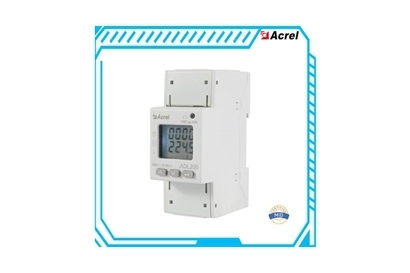
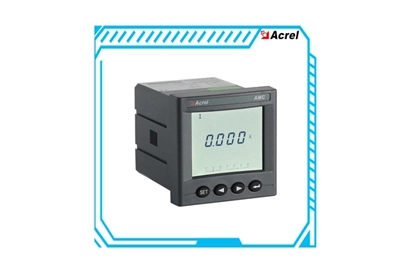
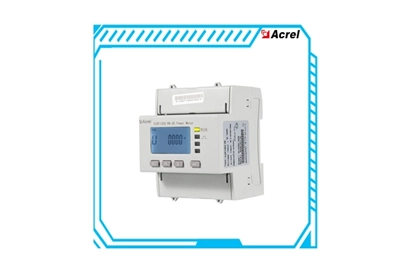
The electrical parameter collection of the incoming loop of the low-voltage power distribution system adopts the ACR330ELH power meter, which can measure all conventional power parameters, such as three-phase voltage, current, active power, reactive power, power factor, frequency, active energy, and it can monitor various power grid quality parameters such as voltage and current 2-31 harmonic components, current and voltage unbalance degree.This instrument has 4 photoelectric isolation switch input contacts, these contacts can cooperate with the intelligent circuit breaker to realize the remote signal switch monitoring of the circuit.This series of network power meters are mainly used in substation automation, distribution network automation, residential power monitoring, industrial automation, energy management systems, and intelligent buildings.


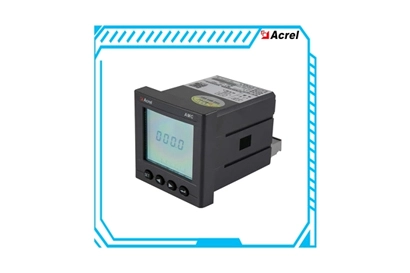
The output circuit adopts the PZ80L series power meter, which mainly completes the measurement of the three-phase current and the detection of the switch signal. The circuit design for performances and shops uses the ACR120EL series of meters, based on the detection of three-phase current and switching signals, plus all conventional power parameter measurement and energy metering functions.


03 Related Products


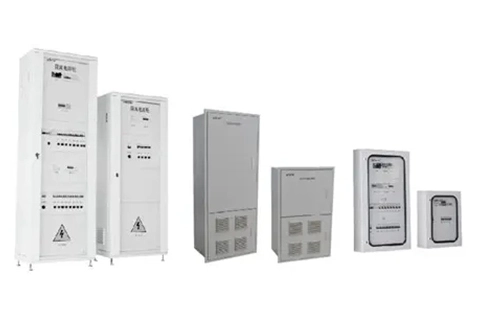
power-monitoring-system-in-ndola-stadium-zambia_01.png


04 Photos on Site


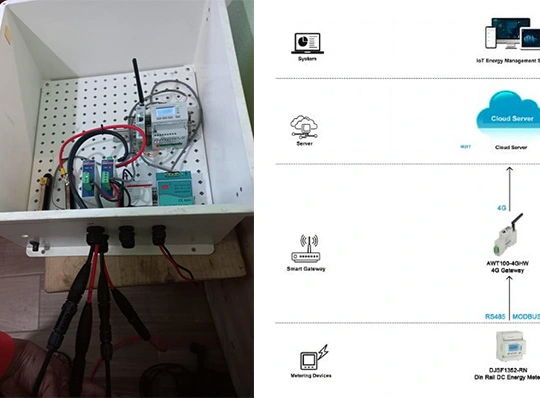
power-monitoring-system-in-ndola-stadium-zambia_02.jpg


05 Summary

In the realm of modern power distribution infrastructure, the significance of ensuring electrical safety cannot be overstated. The Acrel-2000 power monitoring system, as detailed in this article, has been successfully implemented at Ndola Stadium. This sophisticated system is designed to facilitate the real-time monitoring of the power consumption associated with the power distribution circuits at the stadium's power distribution station. It goes beyond mere display of the circuit's power consumption; it incorporates advanced network communication capabilities, enabling it to interface seamlessly with communication management machines and computers to form a comprehensive power monitoring system.


The Acrel-2000 system meticulously analyzes and processes the vast array of data it collects, ensuring that the operational status of each power distribution loop is presented in real-time. It is equipped with a variety of intuitive features, including a pop-up alarm dialog box, voice prompts, and SMS alarm lights, which collectively enhance the system's alerting mechanisms. Furthermore, it has the capability to generate a wide range of electric energy reports, analysis curves, and graphical representations, thereby facilitating remote meter reading and in-depth analysis and research of electric energy consumption patterns.


The robustness and reliability of the Acrel-2000 system are evident in its stable operation, making it an invaluable asset for large-scale public buildings. It provides a true and dependable foundation for addressing electrical issues, ensuring that the power distribution safety is maintained at all times. This system not only enhances the efficiency of power management but also contributes significantly to the overall safety and sustainability of the power distribution network at Ndola Stadium.