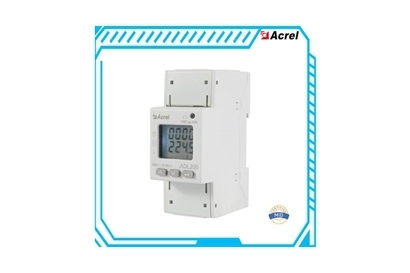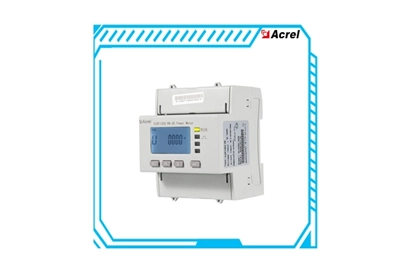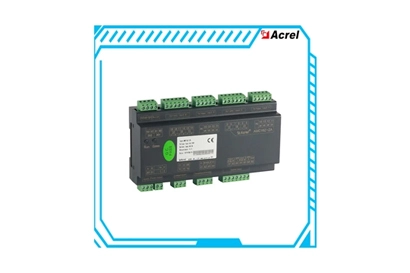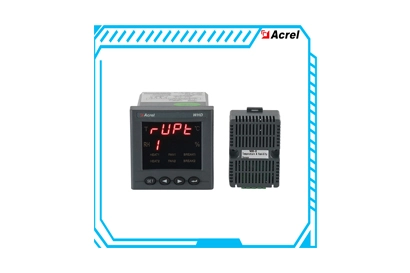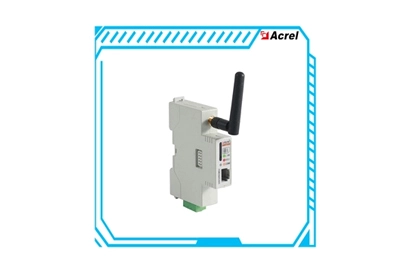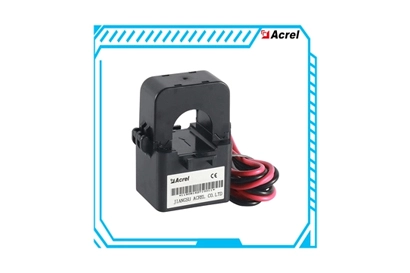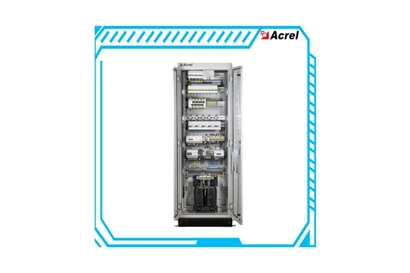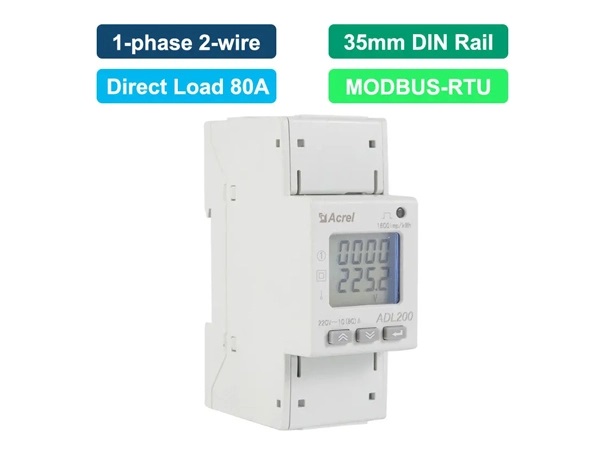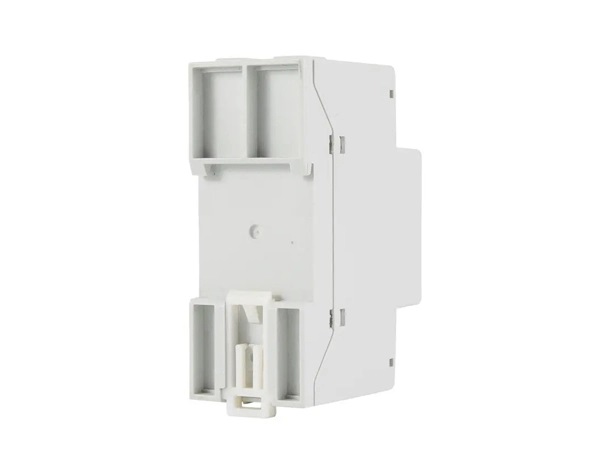
The integration of smart meter single-phase technology is transforming the way electricity grids are managed, especially for residential and small commercial applications. These devices provide real-time monitoring of energy consumption, making it easier for utilities and consumers to manage energy use more efficiently. Smart meter single-phase devices, like the Acrel ADL200 MID Single-Phase Energy Meter, are particularly valuable for enhancing grid efficiency and reliability by offering precise data, reducing energy losses, and improving demand forecasting. In this article, we will explore how these meters contribute to more efficient and reliable power grid management.
How Smart Meter Single Phase Enhances Grid Efficiency
Smart meter single-phase technology plays a crucial role in improving grid efficiency by providing accurate, real-time data on energy usage. Traditional meters only record the total energy consumed, often requiring manual readings and estimates, which can lead to inaccuracies. With single-phase smart meters, data is automatically transmitted to utilities, allowing them to monitor consumption patterns in real-time. This constant flow of information enables utilities to identify and address inefficiencies, such as energy losses and overloading, more quickly. By optimizing energy distribution based on real-time usage data, smart meters help ensure that power is used efficiently and that grid resources are allocated where they are most needed. This reduces waste and improves the overall functionality of the energy grid.
The Role of Smart Meter Single Phase in Grid Reliability
Smart meter single-phase devices are essential in enhancing the reliability of electricity grids by improving the accuracy of load balancing and fault detection. With real-time monitoring, utilities can detect problems such as voltage fluctuations, outages, or abnormal consumption patterns almost immediately. This capability allows for quicker responses to issues that could potentially disrupt power supply. In addition, single-phase smart meters help in load forecasting, where they analyze energy consumption trends to predict future demand. By understanding peak usage periods, utilities can better prepare for times of high demand, ensuring that the grid remains stable and that power is available when needed. This predictive capability also aids in minimizing blackouts and maintaining a steady power supply, crucial for both residential and business users.
How Does the Acrel ADL200 MID Single-Phase Energy Meter Improve Grid Efficiency and Reliability?
The Acrel ADL200 MID Single-Phase Energy Meter is a prime example of how modern smart meter single-phase technology can contribute to better grid management. This energy meter offers high accuracy in measuring energy consumption, which is crucial for utilities seeking to optimize grid efficiency. With its ability to perform remote monitoring and data logging, the ADL200 helps reduce the reliance on manual meter readings, minimizing human error and delays. The meter's compliance with the MID standard ensures it meets high-quality standards, making it suitable for use in commercial and residential applications. The built-in communication functions of the ADL200 allow for seamless data transmission to utility providers, helping them maintain real-time awareness of the grid's performance. By incorporating these meters into the grid, utilities can make more informed decisions about energy distribution, improving both efficiency and reliability.
Comparing Smart Meter Single Phase Technology to Traditional Metering Methods
The use of smart meter single-phase devices marks a significant shift from traditional metering methods. Below is a comparison between single-phase smart meters like the Acrel ADL200 and conventional meters in terms of grid efficiency and reliability:
Feature
Single-Phase Smart Meter
Traditional Metering
Data Accuracy
High accuracy, with real-time, automated data collection
Limited accuracy, often requires manual reading and estimates
Energy Monitoring
Continuous monitoring with real-time data transmission
No real-time monitoring, data is recorded at set intervals
Fault Detection
Immediate detection of voltage fluctuations and outages
Delayed detection of issues, manual intervention needed
Load Forecasting
Advanced analytics for load balancing and demand prediction
No advanced forecasting capability
Communication
Remote data transmission for seamless grid management
No remote communication; requires manual checks
Conclusion
In conclusion, the adoption of smart meter single-phase technology is a key factor in improving the efficiency and reliability of modern power grids. The Acrel ADL200 MID Single-Phase Energy Meter exemplifies how accurate data collection and real-time monitoring can enable utilities to optimize energy distribution, enhance load forecasting, and improve fault detection. By reducing energy waste, enhancing grid stability, and providing valuable consumption insights, these smart meters play a pivotal role in the future of energy management. As more utilities adopt this technology, the overall performance of electricity grids will continue to improve, providing consumers with reliable and cost-efficient power.
Electrical Engineer Expert, Providing Service, consultant, product expert, professional manufacturer of energy efficiency management systemic solutions, and energy meters.