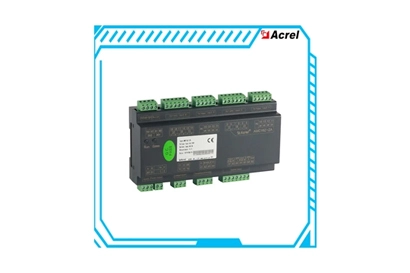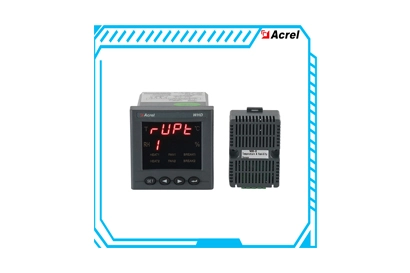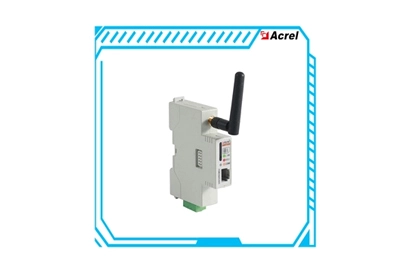
Destination EV charging is no longer a differentiator for hotels, shopping malls, office buildings, and apartment complexes—it is becoming a baseline amenity that tenants, guests, and fleet operators expect as standard. The infrastructure challenge has largely been solved: chargers are available, installation contractors are experienced, and grid connections are routine. The billing challenge, however, remains unsolved at many sites. Property owners who absorb EV charging electricity into common-area costs are subsidizing individual users. Operators who rely on flat-rate or time-based fees are leaving revenue on the table and generating disputes with users who believe they are being overcharged. And facilities that cannot produce a transparent, session-level kWh record are increasingly unable to satisfy the audit requirements of corporate fleet programs and tenant reimbursement policies.
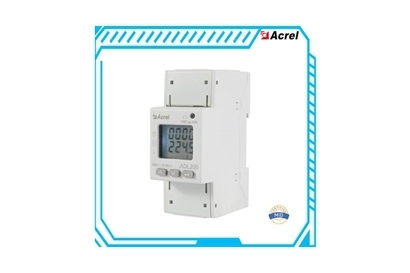
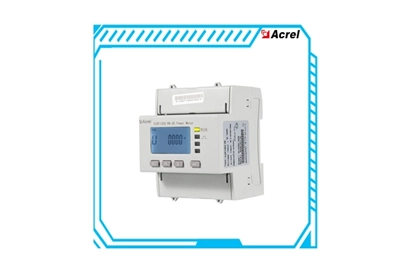
A single phase energy meter installed at the charger level is the component that converts electricity consumption into billable, auditable data. The Acrel ADL200 is designed specifically for this application: compact 35mm DIN-rail installation that fits inside standard charging enclosures, direct 10(80)A single-phase connection, Class 1 kWh accuracy, multi-tariff support, and RS485/Modbus-RTU communication for integration with charging management platforms and energy management systems. For buyers comparing a single phase smart meterfor destination charging deployment, the sections below cover the working principle, specification details, application fit, and integration workflow.
Why Accurate Metering Is the Missing Link in Destination Charging Revenue
The commercial logic of destination charging depends on one capability: knowing exactly how many kWh each session consumed, attributing that consumption to a specific user or account, and generating a transparent invoice. Without a meter at the charger level, none of this is possible.
The 2026 billing pain points at destination charging sites:
Shared consumption allocation. A hotel or mall that installs multiple chargers on a single electrical circuit cannot allocate consumption to individual sessions without per-charger metering. The result is either a flat fee that overcharges light users and undercharges heavy users, or an absorbed cost that the property owner cannot recover.
Tenant and guest billing disputes. Apartment residents and office tenants who charge EVs expect to pay for what they use—not a share of a pooled consumption figure. Without individual metering, billing disputes are inevitable and difficult to resolve without an auditable data record.
Fleet reimbursement requirements. Corporate fleet programs and employee EV reimbursement policies increasingly require session-level kWh records with timestamps. A charger without a certified meter cannot produce this documentation, disqualifying the site from fleet program participation.
Peak/valley tariff optimization. Operators who want to implement time-of-use pricing—charging more during peak grid hours and less during off-peak periods—need a meter that supports multi-tariff configuration and records consumption by tariff period.
Cabinet space constraints. Destination charging enclosures are compact. A metering solution that requires external current transformers, large panel-mount housings, or complex wiring adds cost and installation complexity that reduces the economic case for per-charger metering.
The ADL200 addresses each of these pain points through its combination of compact DIN-rail form factor, direct-connection wiring, multi-tariff capability, and RS485/Modbus-RTU communication.
How a Single Phase Smart Meter Works in an EV Charging System
Understanding the measurement and communication workflow of the ADL200 helps buyers evaluate its fit for their specific charging architecture and billing platform.
The measurement chain:
The EV charger draws single-phase AC power from the supply circuit. The ADL200 is wired in series with the charger load—line and neutral conductors pass through the meter's direct-connection terminals. The meter continuously measures voltage across the supply terminals and current through the load conductors, computing instantaneous power (W), reactive power (VAr), apparent power (VA), power factor, and frequency. Active energy (kWh) is accumulated by integrating instantaneous power over time, with Class 1 accuracy (±1.0% on kWh measurement) ensuring that the billed consumption closely matches the actual energy delivered to the vehicle.
The communication chain:
The ADL200 stores accumulated kWh data and current electrical parameters in internal registers. The RS485 communication port—using shielded twisted pair conductors—connects the meter to a local gateway, charging controller, or building energy management system. The Modbus-RTU protocol provides a standardized register map that allows any compatible platform to read kWh totals, tariff-period consumption, and real-time electrical parameters by polling the meter at configurable intervals.
The multi-tariff function:
The ADL200 supports 4 tariff rates, 4 time zones, 2 time-period lists, and up to 14 time periods per day. This allows operators to configure peak, shoulder, and off-peak pricing periods that align with the local grid tariff structure—automatically recording consumption in each tariff period and providing the data needed to calculate session costs under a time-of-use pricing model.
Why this architecture matters for destination charging:
The combination of accurate kWh measurement, multi-tariff recording, and RS485/Modbus communication means that the ADL200 can serve as the data source for any charging management platform that supports Modbus-RTU integration—without requiring proprietary communication protocols or cloud-dependent data paths. This flexibility is particularly valuable for operators who need to integrate metering data into existing building management systems, tenant billing platforms, or fleet management software.
Key Specifications: Why ADL200 Fits DIN-Rail EV Charger Integration
The ADL200's specification profile is designed for the physical and electrical constraints of destination charging enclosures.
Complete Technical Specification
Specification
ADL200 Value
EV Charging Relevance
Meter type
Single-phase energy meter
Matches single-phase AC destination chargers
Wiring
1-phase 2-wire direct connection
Simple integration without external CT
Rated voltage
220–264 Vac
Covers standard single-phase AC supply
Rated current
10(80)A direct connect
Suitable for 7.2–17.6 kW single-phase chargers
kWh accuracy
Class 1 (±1.0%)
Supports reliable billing and audit records
Installation
35mm DIN rail
Fits standard charging enclosure rail
Dimensions
90 × 36 × 65 mm
Compact footprint for space-constrained cabinets
Communication
RS485, Modbus-RTU
Integrates with billing and EMS platforms
Multi-tariff
4 tariff rates, 4 time zones, 14 periods/day
Supports peak/valley EV pricing strategies
Display
LCD with backlight
Local kWh and parameter readout
Operating temperature
−25°C to +55°C
Covers outdoor and warm cabinet environments
Storage temperature
−40°C to +70°C
Supports storage and transport in extreme climates
The 90 × 36 × 65 mm body and 35mm DIN-rail mounting allow the ADL200 to be installed in the same enclosure as the charger's circuit breaker, RCBO, surge protection device, and contactor—without requiring a separate metering panel or additional enclosure space. For operators deploying multiple chargers in a compact distribution board, this space efficiency directly reduces the enclosure cost and installation labor per charger point.
The direct-connection advantage:
The 10(80)A direct-connection rating covers the current range of most single-phase AC destination chargers (7.2 kW at 32A, 3.7 kW at 16A) without requiring external current transformers. This simplifies the wiring, reduces the component count in the enclosure, and eliminates the CT ratio configuration step that adds complexity to transformer-based metering installations.
Application Scenarios: Where a Single Phase Meter for EV Stations Creates Business Value
Hotel Destination Charging Hotels billing guests for EV charging need session-level kWh records that can be attributed to a room account, loyalty membership, or QR code payment session. The ADL200's RS485/Modbus integration allows the charging management platform to read session kWh at the start and end of each charging event, calculate the billable amount based on the applicable tariff, and post the charge to the guest's account automatically—without manual meter reading or estimation.
Shopping Mall Parking Mall operators who provide EV charging as a paid amenity need transparent, auditable billing that builds user trust and reduces disputes. The ADL200's Class 1 accuracy and MID certification provide the measurement credibility that supports billing transparency, while the multi-tariff function allows operators to implement peak-hour pricing that manages charger utilization and improves revenue per charger point.
Apartment and Condominium Charging Property managers who install EV chargers for residents need to allocate electricity cost to individual units rather than absorbing it into common-area expenses. The ADL200's per-charger metering and RS485 communication allow the building management system to read individual consumption data and generate monthly billing statements for each resident—eliminating the cost allocation disputes that arise from shared metering.
Office and Workplace Charging Employers who provide EV charging for employees, fleet vehicles, or visitors need to track consumption by user category for reimbursement, cost allocation, or fleet management reporting. The ADL200's session-level kWh data and multi-tariff recording provide the granular consumption records that corporate fleet programs and employee reimbursement policies require.
Small Commercial EV Stations Cafés, retail plazas, workshops, and service stations that install single-phase chargers as a customer amenity or revenue service need a metering solution that integrates with their point-of-sale or payment system. The ADL200's Modbus-RTU communication provides a standard integration path for any platform that supports RS485 polling.
Installation, Selection, Maintenance, and TCO: Integrating ADL200 into Destination Charging
Installation and Selection Workflow
Step 1 — Confirm charger electrical specification. Verify the charger's rated current, supply voltage, and wiring configuration. The ADL200's 10(80)A direct-connection rating covers single-phase chargers up to approximately 17.6 kW at 80A—confirm that the charger's maximum current draw falls within this range.
Step 2 — Plan the DIN-rail layout. Map the enclosure rail space required for the ADL200 (36mm width), circuit breaker, RCBO or RCD, surge protection device, contactor, and communication terminal block. The ADL200's 90 × 36 × 65 mm body fits within standard 4-module DIN-rail space.
Step 3 — Wire the RS485 communication circuit. Use shielded twisted pair conductors for the RS485 A+/B− connection. If multiple meters are connected to the same RS485 bus, assign unique Modbus addresses to each meter through the HMI parameter settings. The ADL200 supports address, baud rate, parity, and protocol configuration through the front-panel interface.
Step 4 — Configure the multi-tariff schedule. Program the time zones, tariff rates, and time-period lists through the HMI or via Modbus write commands from the gateway. Align the tariff schedule with the local grid tariff structure and the operator's pricing policy.
Step 5 — Integrate with the billing or EMS platform. Configure the gateway or charging controller to poll the ADL200's Modbus registers at the required data refresh interval. Verify that the platform correctly reads kWh totals, tariff-period consumption, and real-time electrical parameters.
Step 6 — Validate billing accuracy. Run test charging sessions with a known load, compare the ADL200's displayed kWh with the platform's recorded consumption, and verify that the tariff calculation produces the correct billable amount. Document the validation results for audit purposes.
Maintenance and TCO Advantages
Reduced manual reading labor from RS485/Modbus integration eliminates the need for physical meter reading at each charger point—a significant labor saving for operators managing large numbers of charger points across multiple sites.
Fewer billing disputes from Class 1 accuracy and MID certification provide the measurement credibility that supports transparent billing and reduces the frequency of user challenges to consumption records.
Better tariff management from multi-tariff configuration allows operators to implement peak/valley pricing that improves revenue per charger point and manages grid demand—directly improving the commercial return on the charging infrastructure investment.
Simplified cabinet integration from DIN-rail mounting and direct connection reduces installation labor and component count per charger point, lowering the per-point installation cost of the metering infrastructure.
Electrical parameter monitoring through the ADL200's voltage, current, power factor, and frequency measurement provides early warning of wiring issues, charger faults, and abnormal load conditions—reducing the diagnostic time and repair cost of charger maintenance events.
Cnclusion
Accurate destination charging billing in 2026 requires a single phase energy meter that combines compact DIN-rail installation, direct-connection wiring, Class 1 kWh accuracy, multi-tariff support, and RS485/Modbus-RTU communication in a form factor that fits inside standard charging enclosures. The Acrel ADL200 delivers all of these capabilities in a 90 × 36 × 65 mm body with 35mm DIN-rail mounting, 10(80)A direct connection, MID certification, and an operating temperature range of −25°C to +55°C—making it suitable for hotel, mall, apartment, office, and small commercial EV charging applications where accurate, auditable, platform-integrated billing is the operational requirement.
Visit the Acrel ADL200 product page to request a recommended EV charger metering configuration and quotation.
Please submit the following details for an accurate recommendation:
Work condition: Hotel, mall, apartment, office, parking lot, indoor or outdoor charger cabinet, ambient temperature range
Quantity: Pilot charger quantity, project rollout quantity, or annual procurement plan
Size/spec: Charger power and rated current, supply voltage, single-phase wiring, DIN-rail space available, RS485 communication requirement, gateway or platform type
Target metrics: Billing accuracy class, Modbus integration requirement, tariff strategy (flat rate or peak/valley), data refresh rate, remote monitoring requirement, MID or local certification requirement
Current problems: Inaccurate EV billing, manual meter reading burden, limited cabinet space, poor platform integration, high-temperature cabinet reliability concerns, tenant or guest billing disputes
FAQ
1. What is a single phase energy meter?
An electrical measurement device that records energy consumption (kWh) and electrical parameters in a single-phase AC circuit. In EV charging applications, it provides the session-level consumption data needed for accurate billing, audit records, and platform integration. The ADL200 measures active energy, voltage, current, active power, reactive power, apparent power, power factor, and frequency.
2. Single phase smart meter vs. ordinary kWh meter: which is better for EV charging?
An ordinary kWh meter displays accumulated consumption locally but cannot transmit data to a billing platform. A single phase smart meter with RS485/Modbus communication transmits session-level kWh data to charging management platforms, enabling automated billing, remote monitoring, and multi-tariff pricing—essential capabilities for hotels, malls, apartments, and commercial EV stations where manual reading is impractical and transparent billing is required.
3. What is the ROI of using an EV charger energy meter?
ROI comes from accurate kWh-based billing that recovers electricity cost from users, fewer billing disputes from transparent and auditable consumption records, reduced manual reading labor from RS485 integration, better tariff management from multi-tariff configuration, and qualification for corporate fleet programs that require certified session-level metering data.
4. Does ADL200 require charger redesign?
No major redesign is required if the charger enclosure has DIN-rail space and the charger's rated current falls within the ADL200's 10(80)A direct-connection range. Buyers should confirm supply voltage (220–264 Vac), maximum current draw, available DIN-rail space (36mm width), RS485 wiring path to the gateway, and whether MID certification or other local billing approval is required before finalizing the installation design.
5. What parameters are needed for correct selection and quotation?
Charger rated power and maximum current, supply voltage, wiring configuration (single-phase 2-wire), installation environment (indoor/outdoor, ambient temperature), available DIN-rail space, RS485 communication requirement, gateway or platform type and Modbus compatibility, quantity, billing accuracy requirement, tariff strategy, and whether MID certification or other local approval is required.
Aaron Shi
Electrical Engineer Expert, Providing Service, consultant, product expert, professional manufacturer of energy efficiency management systemic solutions, and energy meters.