E-mail Us

Energy Meter Functions Explained: From Energy Measurement to Real-Time Power Monitoring
Aug 31, 2026

Table of Content [Hide]

    For a long time, an energy meter was mainly associated with one number: how many kilowatt-hours had been consumed. That measurement is still fundamental, but it no longer describes the full role of a modern meter. In factories, commercial buildings, data centers, renewable energy installations, and other electrically intensive facilities, meters are increasingly expected to show not only how much electricity has been used, but also how the electrical system is behaving at a given moment.

    This broader energy meter function is what makes modern metering useful for energy management rather than billing alone. Depending on the application, a meter may monitor voltage, current, active power, power factor, demand, frequency, and other electrical parameters while also transferring those readings to a central monitoring platform. The result is a much clearer picture of when energy is being used, how loads are changing, and where unusual operating patterns may be developing.

    That is also why the different types of energy meters should not be compared only by installation size or price. A basic meter, a multifunction meter, a multi-circuit meter, and a communication-enabled smart meter may all measure electricity, but they answer very different operational questions.

    What Modern Energy Meters Measure Beyond Basic kWh Consumption

    The most familiar energy meter function remains accumulated energy measurement. A kWh reading provides the basis for electricity billing, tenant allocation, departmental cost analysis, and long-term energy tracking. If the only question is how much electricity was used during a certain period, that information may be sufficient.

    The limitation appears when someone wants to understand why consumption changed.

    A monthly energy total cannot show whether a production line was drawing unusually high power during one shift, whether a motor load changed during operation, or whether a facility continued consuming significant electricity after normal working hours. These questions require measurements that describe the condition of the electrical system while it is operating.

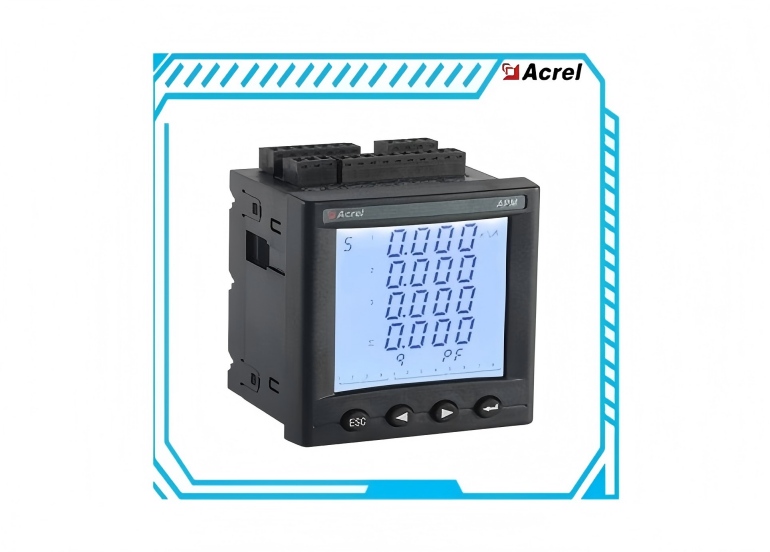
    Modern meters can therefore combine accumulated energy data with voltage, current, active and reactive power, frequency, demand, and power factor. Some multifunction models extend this further with information that helps users observe load balance, harmonic conditions, or other aspects of power quality.

    The practical difference between the types of energy meters becomes clearer in this context. A basic energy meter tells you how much electricity has passed through a circuit. A multifunction meter can help explain what was happening in that circuit while the energy was being consumed.

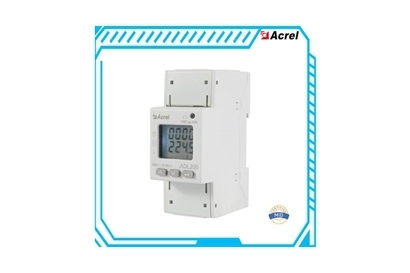
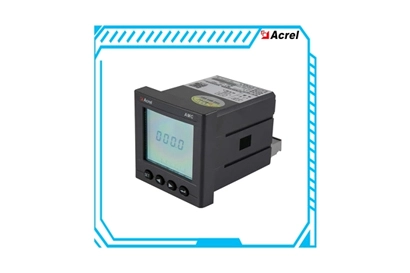
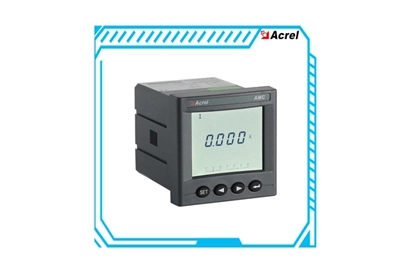
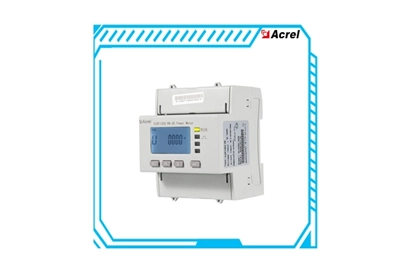
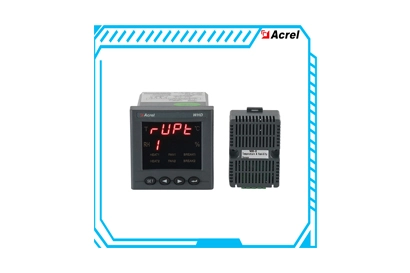
    Acrel develops several metering configurations for these different requirements, including DIN-rail, panel-mounted, DC, wireless, multi-circuit, and multifunction devices. The range of energy metering and electrical monitoring products from Acrel reflects the fact that a single meter design is unlikely to suit every distribution board, machine, building, or energy management project.

    Energy Meter TypeMain RoleTypical InformationWhere It Adds Value
    Basic Energy MeterRecords accumulated electricity useEnergy consumption in kWhBilling, sub-metering, and cost allocation
    Multifunction Energy MeterCombines energy measurement with electrical monitoringEnergy, voltage, current, power, demand, and power factorLoad analysis and facility electrical monitoring
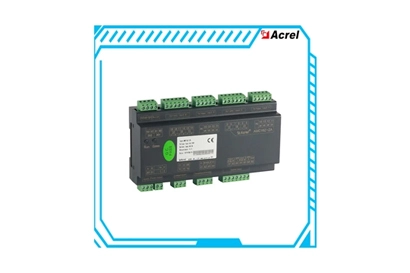
    Multi-Circuit Energy MeterMonitors several circuits from one metering pointEnergy and operating data for individual circuitsDistribution panels and branch circuit monitoring
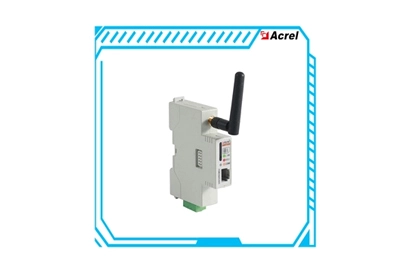
    Smart or Wireless Energy MeterSupports remote data collectionElectrical measurements with communication capabilityCentralized or distributed energy management
    DC Energy MeterMeasures DC electrical systemsDC voltage, current, power, and energySolar, telecom, charging, and other DC applications

    From Voltage and Current Measurements to Real-Time Power Insights

    Energy consumption is cumulative. Voltage, current, and power tell a more immediate story.

    If the current on a feeder increases when a production process begins, the meter is showing the effect of that load as it happens. If the current remains higher than expected after the process has stopped, the reading becomes a reason to investigate. Voltage measurements provide another layer of context by showing the conditions under which equipment is receiving electrical power.

    This is where a modern energy meter function starts to become operational rather than purely accounting-based. Instead of discovering a change only when the electricity bill arrives, facility personnel can see how loads respond during shifts, startup periods, production changes, cooling cycles, or other operating events.

    Active power is particularly useful because it brings voltage and current behavior into a measurement that can be related more directly to the work being performed by the load. When viewed over time, real-time power data can reveal whether a process follows its normal operating pattern or has gradually moved away from it.

    For a plant engineer, that difference matters. A sudden change in electricity consumption might be caused by higher production, a longer operating schedule, or an inefficient piece of equipment. Metering does not automatically provide the diagnosis, but real-time measurements make it possible to separate these possibilities much sooner.

    energy-meter-functions-explained-from-energy-measurement-to-real-time-power-monitoring.jpg

    How Power Factor and Demand Reveal Changing Electrical Loads

    Two facilities can consume a similar amount of energy over a month and still place very different demands on their electrical systems. One may use power relatively steadily, while the other may experience short periods when several major loads operate at the same time. Looking only at total kWh would hide that difference.

    Demand monitoring helps make those peaks visible. It shows how intensively electrical power is being drawn during particular periods and can help facility teams understand when the system is under its greatest load. This becomes especially relevant when production scheduling, equipment sequencing, or peak-load management is part of the energy strategy.

    Power factor adds another view of load behavior. In systems with motors, transformers, drives, and other inductive equipment, changes in power factor can indicate that the electrical load is operating differently from its usual condition. The reading is most useful when it is interpreted as part of a trend rather than as an isolated number.

    Not every application requires this depth of monitoring. That is why comparing types of energy meters by the number of available parameters alone can be misleading. A meter with demand and power factor monitoring has clear value when those measurements influence decisions. In a simple tenant billing application, however, those same functions may add little practical benefit.

    The better question is therefore not “Which meter has the most functions?” but “Which energy meter function will actually help us understand or manage this electrical load?”

    How Communication Functions Connect Energy Meters to Monitoring Systems

    A local meter display is useful when someone is standing in front of the panel. Its value becomes much greater when the same data can be viewed elsewhere.

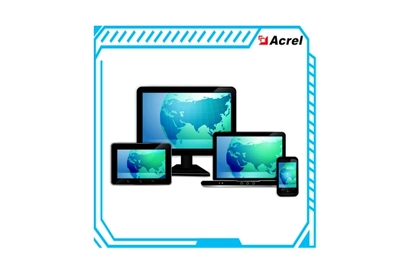
    Communication functions allow electrical measurements to move from individual meters into gateways, building management platforms, industrial monitoring systems, or dedicated energy management software. Once that connection exists, the meter is no longer an isolated measuring point. It becomes part of a wider information system.

    This matters because energy management often depends on comparison. An engineer may want to compare one production area with another, review this week's load against last week's, or identify which branch circuit contributed most to an overnight increase in consumption. Manual readings make that difficult, especially when dozens or hundreds of metering points are involved.

    Communication-enabled meters can support this kind of analysis by making readings available centrally and allowing historical data to be retained. Depending on the project, communication may rely on wired industrial protocols, wireless transmission, or a combination of both. The best choice depends less on what is technically possible than on how the site is laid out and how the data will eventually be used.

    This is also an important distinction among the different types of energy meters. A standalone meter can be perfectly suitable for local sub-metering, while a large facility may need communication capability from the beginning because the real value lies in bringing many metering points into one system.

    What Energy Meter Data Can Reveal About Abnormal Power Consumption

    Abnormal energy use rarely announces itself in a convenient way. In many cases, the first sign is simply that the electrical pattern no longer looks normal.

    Consider a workshop that normally shows a clear reduction in power after the evening shift. If consumption remains elevated overnight for several days, the meter does not necessarily identify the faulty machine or control sequence, but it tells the facility team that something has changed. That can be enough to trigger a focused inspection rather than waiting for higher energy costs to become obvious at the end of the month.

    The same principle applies to current, demand, and power factor. A current level that gradually increases under similar operating conditions may indicate that the load deserves attention. Repeated demand peaks at unexpected times may point to a scheduling issue. A persistent shift in power factor can suggest that the composition or operating condition of the electrical load has changed.

    This is one of the most useful aspects of the modern energy meter function: it creates a measurable baseline for normal operation. Once that baseline exists, deviations become easier to see.

    Historical context is important here. A single unusual reading may have an entirely reasonable explanation. A pattern that repeats, becomes more pronounced, or appears under the same operating conditions is more informative. Good energy monitoring therefore depends on trends rather than reacting to every temporary fluctuation.

    An energy meter should not be treated as a fault diagnosis instrument. Its job is to show what is happening electrically. The engineering team still has to determine why it is happening. Even so, having reliable electrical evidence can shorten the path from suspicion to investigation considerably.

    Turning Energy Meter Data Into Smarter Energy Management Decisions

    More data does not automatically create better energy management. The value comes from choosing the right measurements and connecting them to decisions that someone can actually make.

    A facility that wants to divide electricity costs between departments may need accurate sub-metering but little else. A production plant trying to understand peak loading may care much more about demand and real-time power. A solar or battery project may require DC measurement. A large building with many distribution panels may place greater emphasis on communication because the data needs to be collected and compared centrally.

    This is why the types of energy meters used within one project do not always need to be identical. Different parts of the electrical system can have different monitoring purposes. What matters is that each meter collects information that is relevant to the equipment, circuit, or management objective behind it.

    The data becomes even more valuable when it is viewed together with operational context. An increase in electrical consumption during a period of higher production may be entirely reasonable. The same increase during a shutdown period suggests a different problem. In the same way, a peak in demand may be acceptable if it occurs during a planned production ramp-up but worth investigating if it appears repeatedly during low-load hours.

    For this reason, energy management should not focus only on reducing numbers. It should focus on understanding what those numbers represent. Meter data can support maintenance, cost allocation, load planning, process evaluation, and efficiency improvements, but only when the measurement strategy has been designed around real operational questions.

    Acrel's metering range is built around these varying requirements, from individual circuit measurement to broader monitoring architectures. The important step is to decide in advance whether the project needs simple energy recording, detailed electrical analysis, remote communication, or a combination of these functions.

    Conclusion

    The role of an energy meter has changed substantially. Measuring kWh is still its foundation, but modern metering can provide a much richer view of how an electrical system behaves. Voltage, current, active power, demand, power factor, and communication functions allow users to move from simply recording electricity use to understanding when, where, and under what conditions that electricity is being consumed.

    There is no single best meter for every application. Different types of energy meters are designed for different levels of visibility, and the right choice depends on what the data needs to achieve. A billing meter and a multifunction monitoring meter may both be accurate devices, but they serve very different purposes.

    For a new metering installation, retrofit, industrial monitoring project, or centralized energy management system, it is usually more effective to begin with the monitoring objective and then select the required energy meter function. If the appropriate meter type or communication architecture is not yet clear, Acrel can review the electrical metering requirements for your project and help match the monitoring approach to the application.

    Frequently Asked Questions

    1. What is the main function of an energy meter?

    The basic energy meter function is to measure electrical energy consumption. Modern meters may also monitor real-time electrical conditions such as voltage, current, power, demand, and power factor.

    2. What is the difference between an energy meter and a power meter?

    An energy meter records electricity consumed over time, while a power meter focuses more on current electrical operating conditions. Many multifunction meters now combine both roles.

    3. What are the main types of energy meters?

    The main types of energy meters include basic single-phase and three-phase meters, multifunction meters, multi-circuit meters, DC meters, and communication-enabled smart meters. The appropriate type depends on the system being measured and the purpose of the data.

    4. Can an energy meter help detect abnormal electricity consumption?

    Yes. Changes in energy use, current, demand, or power can show that a load is behaving differently from its normal pattern. The meter identifies the electrical change, while further inspection is needed to confirm the cause.

    5. Why does communication matter in an energy meter?

    Communication allows meter readings to be collected remotely and viewed in a central monitoring system. This makes historical comparison, multi-circuit analysis, and large-scale energy management much easier.

    6. How do I choose the right energy meter?

    Start with what you need to understand about the electrical system. If only consumption matters, a basic meter may be enough. If you need load analysis, remote monitoring, or system integration, a multifunction or communication-enabled meter is usually more appropriate.


    Aaron Shi
    Aaron Shi

    Electrical Engineer Expert, Providing Service, consultant, product expert, professional manufacturer of energy efficiency management systemic solutions, and energy meters.

    References