I. Pain points in industrial energy management are becoming increasingly prominent, necessitating intelligent solutions.
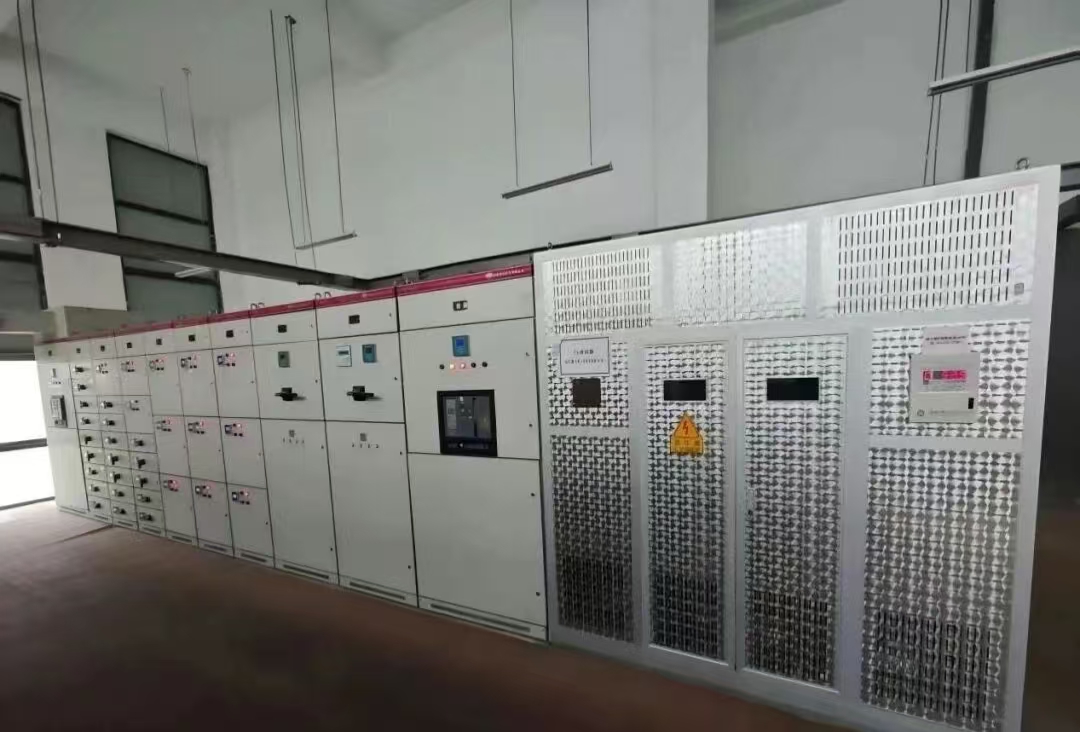
In industrial production settings, energy management has long been a challenge for production managers. High total electricity costs in the workshop are a persistent problem, yet it's difficult to accurately identify high-energy-consuming equipment, hindering effective energy conservation control. Traditional manual meter reading not only incurs significant labor costs but also results in data lag of more than three days behind production, making timely energy consumption analysis and decision-making difficult. More importantly, production equipment faces the risk of overload tripping, and the lack of effective early warning mechanisms means that downtime can lead to economic losses of tens of thousands of yuan. These issues have placed industrial energy management in a passive position, urgently requiring intelligent metering equipment to break through this predicament.
II. Case Study of a Factory: Wireless Solution Solves the Challenge of Distributed Electricity Monitoring
A certain automotive parts factory faced a typical industrial energy management problem, with its core needs focusing on three aspects:
First, accurate monitoring and data collection of electricity consumption from production equipment;
Second, due to the numerous and dispersed production equipment, traditional wiring methods were difficult and costly, necessitating metering equipment with wireless communication capabilities;
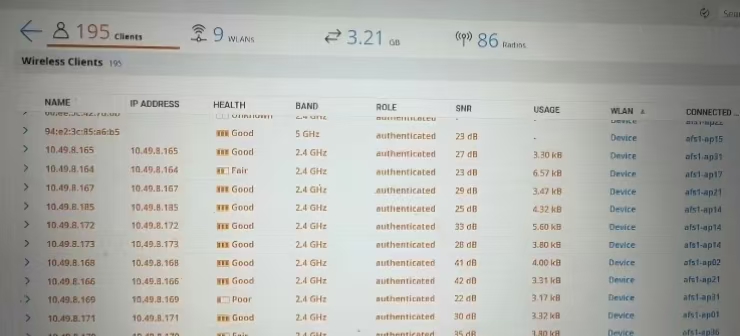
Third, considering the sensitivity of production data, electricity consumption data needed to be transmitted through an intranet to ensure data security. To address these needs, Wi-Fi smart meters developed a targeted solution. Leveraging their convenient installation and intranet wireless transmission capabilities, they matched the factory's actual usage scenario, effectively solving its pain points in electricity monitoring.
III.Core Advantages of Wi-Fi Smart Meters: Adapting to Practical Needs in Industrial Scenarios
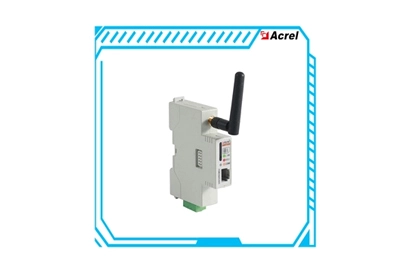
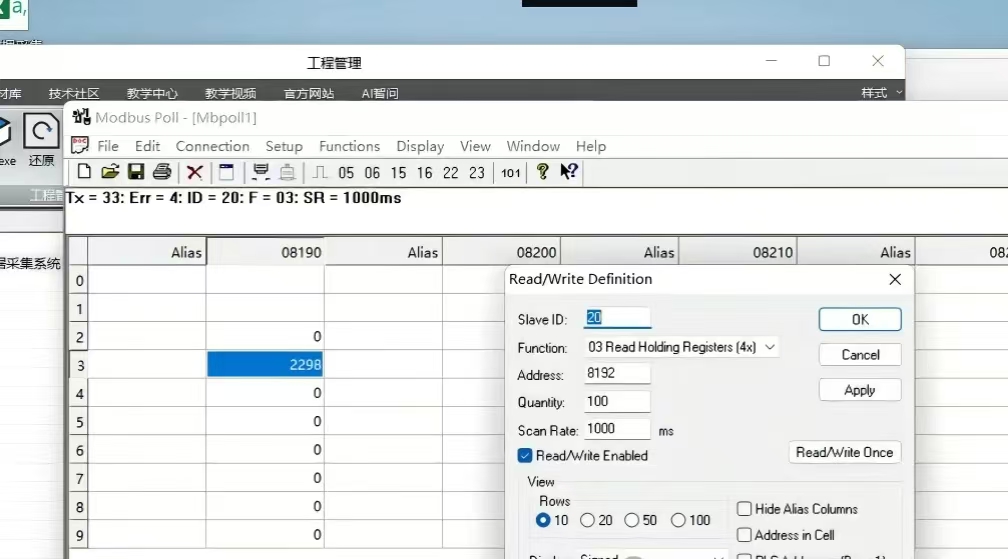
The reason Wi-Fi smart meters can adapt to the needs of industrial energy management stems from their numerous practical advantages. In terms of installation and networking, they adopt a distributed installation mode, eliminating the need for complex wiring and significantly reducing the installation difficulty and construction costs of distributed equipment. Regarding communication performance, they support the 2.4GHz Wi-Fi band, which not only meets the bandwidth requirements for meter data interaction but also features wide coverage and strong penetration, adapting to the complex production environment of factories. For data acquisition and management, they support the Modbus TCP protocol, enabling real-time synchronization of data with the management platform, greatly reducing the manpower required for manual meter reading and improving data acquisition efficiency. In terms of network control, they support manual or automatic IP allocation. When a meter goes offline or experiences abnormal data acquisition, the problematic device can be quickly located, facilitating timely troubleshooting by management personnel and improving control efficiency.
IV. ADW300 IoT Product: Multi-feature Adaptation to Industrial Metering Scenarios
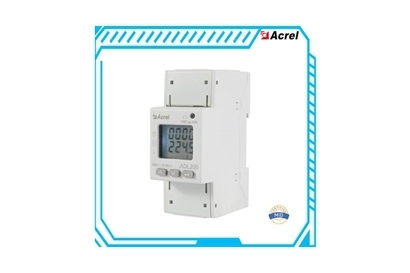
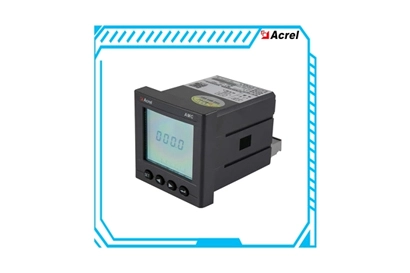
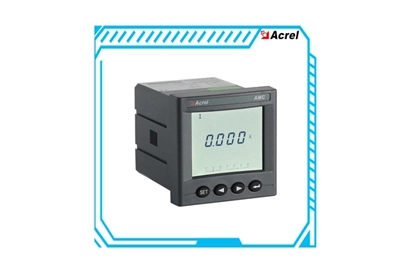
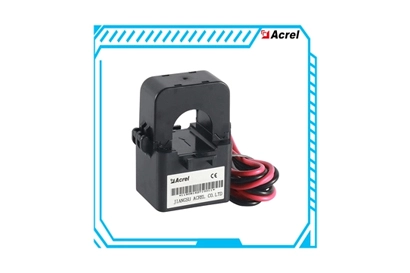
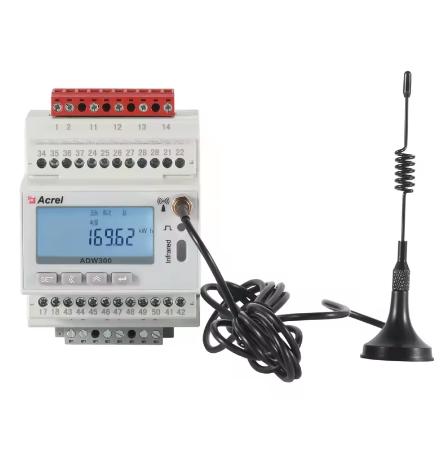
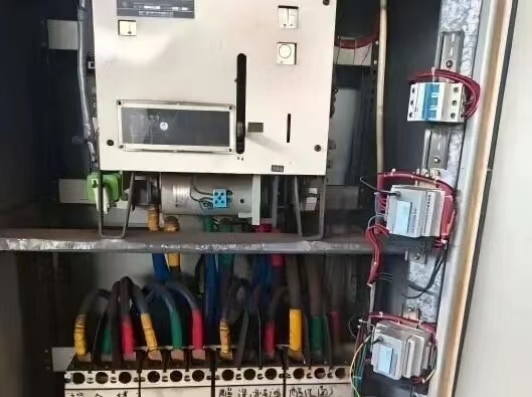
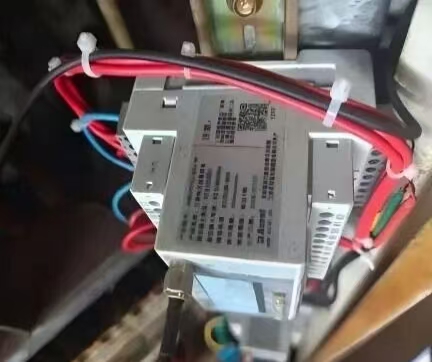
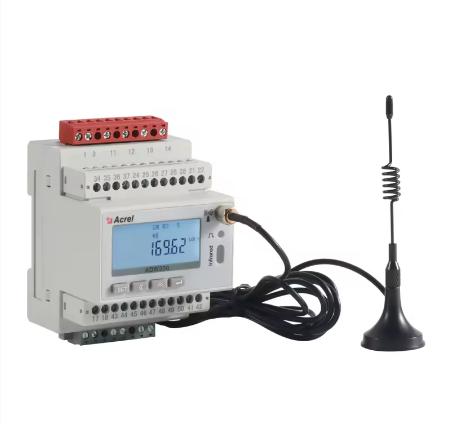
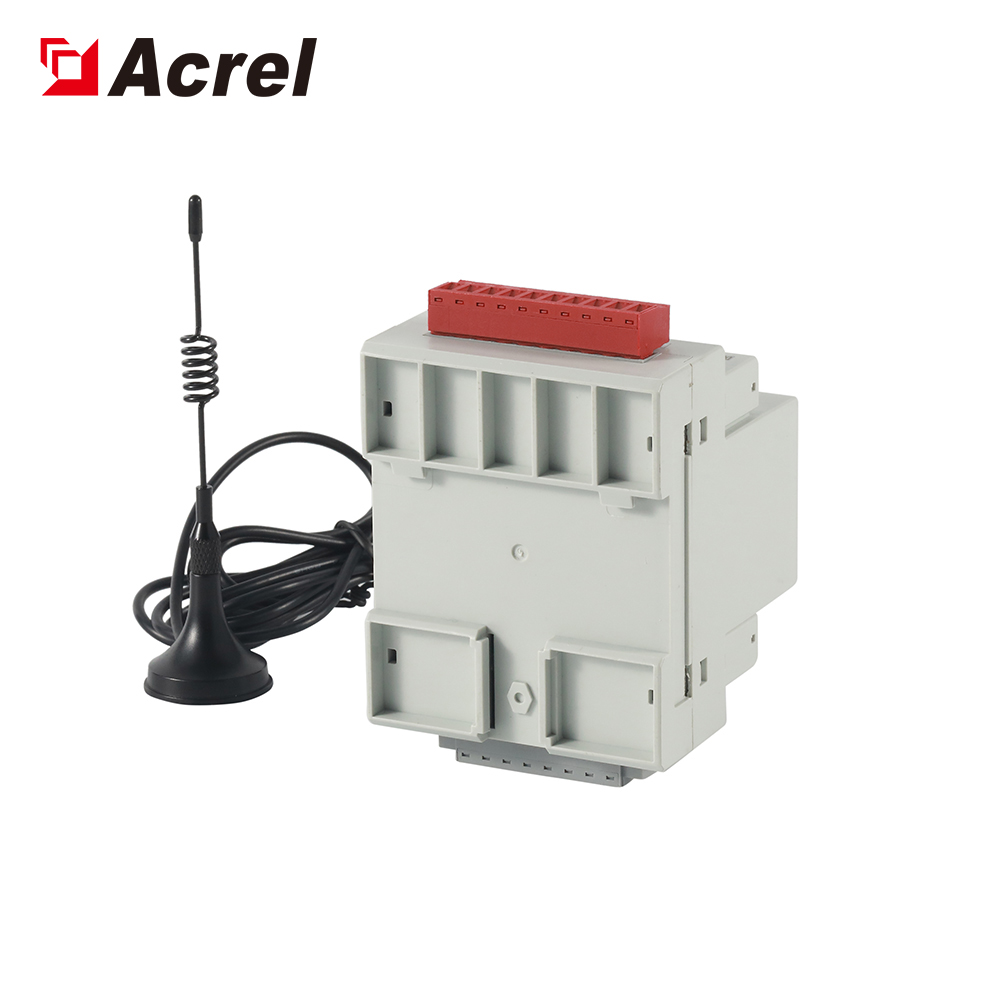
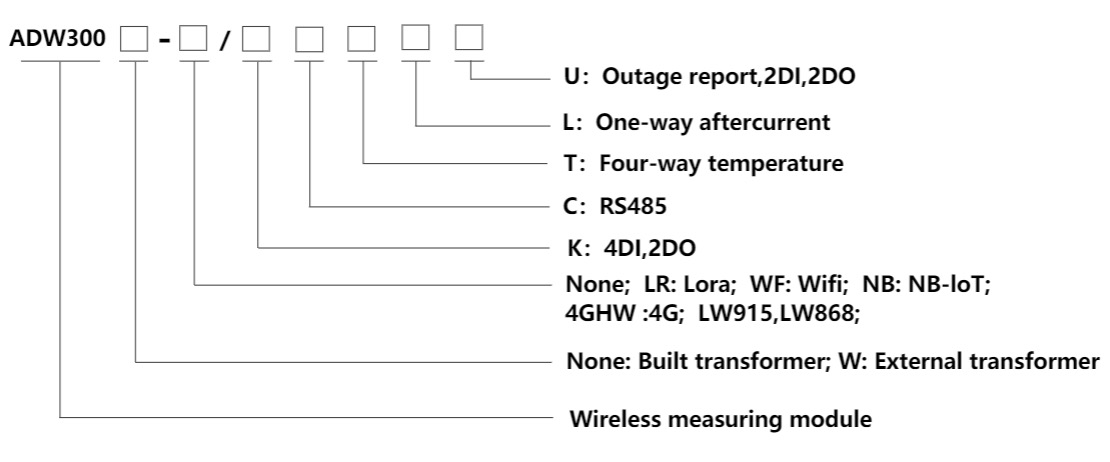
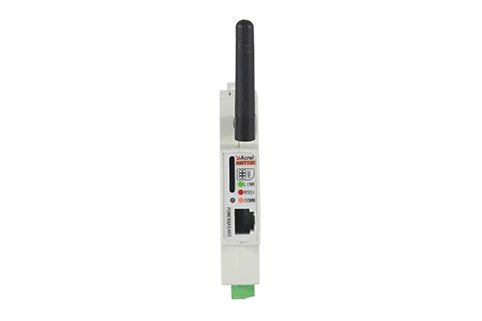
As a core product adapted to industrial scenarios, the ADW300 wireless metering instrument fully considers the diverse needs of industrial power monitoring in terms of functionality and usage. In terms of product overview, it is mainly used for metering three-phase electrical parameters of power distribution circuits. It features small size, high accuracy, and rich functionality. Communication methods are flexible and diverse, supporting not only traditional RS485 communication but also LoRa, 4G, and Wi-Fi wireless communication methods. It also adds an external current transformer current sampling mode, meeting the needs of rapid installation and use in different situations. In terms of product usage, the ADW300, ADW300-HJ, and ADW300W all support three-phase four-wire and three-phase three-wire wiring methods, and can be installed on-site without power interruption, significantly reducing the impact of installation on production. Regarding sampling methods, voltage sampling can be performed using either a magnetic stripe or a puncture-type current sensor, while current sampling incorporates an open-type current transformer, allowing sampling from the primary cable or an existing 5A secondary current circuit, further enhancing the product's adaptability to various scenarios.
Aaron Shi
Electrical Engineer Expert, Providing Service, consultant, product expert, professional manufacturer of energy efficiency management systemic solutions, and energy meters.