E-mail Us

Difference Between Single-Phase Meter and Three-Phase Meter

Sep 10, 2024

Table of Content [Hide]

    Single-phase and three-phase meters are both types of electricity meters, but what are the differences between single-phase meters and three-phase meters? To grasp these distinctions fully, one must first look at how the measuring mechanisms differ to accommodate the unique wiring and consumption monitoring inherent in each power system, revealing the essential difference between single phase and three phase energy meter technology. First, we need to understand what a single-phase meter and a three-phase meter are.

    What are single-phase and three-phase electric meters?


    Electricity meters are electronic instruments used to measure the electric energy consumption of electric devices. They are categorized by sampling principle into mechanical meters, electronic meters, and electromechanical meters. With the national smart grid construction, electronic smart meters will largely replace traditional meters in the next 3-5 years. Based on the number of phases, they are divided into single-phase and three-phase electric meters. Currently, households mainly use single-phase meters, while industrial power users typically use three-phase meters.


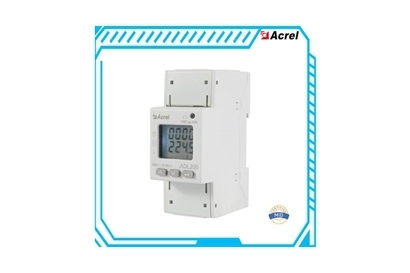
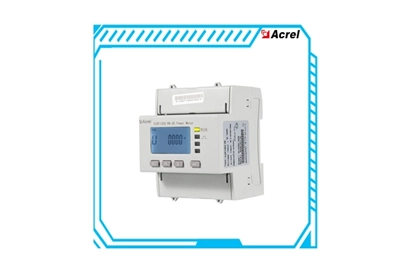
    Single-phase electric meters are used for measuring active energy consumption: they offer precise measurement, a modular small size (18mm), and can easily be installed in various end distribution boxes. The single-phase energy meter supports rail installation and bottom wiring, and perfectly matches miniature circuit breakers. With an intuitive and easy-to-read mechanical display, they reduce the risk of data loss due to unexpected power outages. They do not require an external power source and have a wide working temperature range.


    A single-phase electric meter can only connect to one live wire and one neutral wire, and can only provide 220V AC power; whereas a three-phase meter can connect to 3 live wires and 3 neutral wires, not only providing 3 sets of 220V AC power but also offering 380V AC power for industrial use.


    The Difference Between Single-phase and Three-phase Meters


    Voltage Differences


    The voltage specifications for three-phase electric meters are more varied: 3*220/380V 3*57.7/100V, while single-phase electric meters generally have one voltage specification of 220V


    Current Differences


    Three-phase current specifications include 1.5(6)A, 10(40)A, 5(6)A, 20(80)A, 15(60)A, etc., whereas single-phase electric meter specifications include: 1.5(6)A, 5(60)A, etc.


    Functionality Differences


    Single-phase electric meters generally only measure active energy or reverse active energy, with relatively simple functions compared to three-phase meters.


    Three-phase electric meters, in addition to measuring active energy, can also measure reactive energy, making their functionality more complex than that of single-phase meters.


    Different Applications


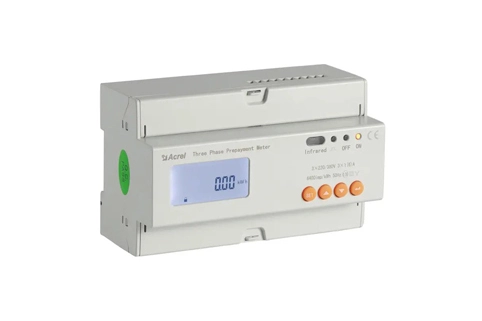
    Three-phase meters are commonly used in places with high current usage, such as factories, government buildings, villas, shops, etc. The demand for electricity in these settings is high, making three-phase meters the best choice. Three-phase electric meters can also be used with transformers, so there is no maximum current limit for three-phase meters using transformers; as long as the transformer's ratio is sufficient, any current size can be accommodated.


    While single-phase electric meters can also be used with transformers, most single-phase meters are direct-entry. They are only suitable for places like rental properties, hotels, and apartments. Direct-entry meters have a maximum current limit, and if this is exceeded, the meter could be damaged.


    Different Wiring Methods


    Three-phase meters are divided into three-phase three-wire meters and three-phase four-wire meters. Three-phase meters have 10 wiring terminals, and their wiring is simpler than that of single-phase meters.

    Conclusion

    All in all, understanding the difference between single phase and three phase energy meters is crucial for ensuring any electrical system is both efficient and safe. The choice is not about which is better, but which is correct for the application: single-phase meters for residential and light commercial loads, and robust three-phase meters for industrial and high-demand facilities. At Acrel, we provide a complete range of both. Whether you need the simplicity and precision of a single-phase meter or the comprehensive functionality of a three-phase solution, our products are engineered for reliability. Explore the Acrel catalog or contact our experts today to ensure you get the perfect metering solution for your project.


    Aaron Shi
    Aaron Shi

    Electrical Engineer Expert, Providing Service, consultant, product expert, professional manufacturer of energy efficiency management systemic solutions, and energy meters.

    References